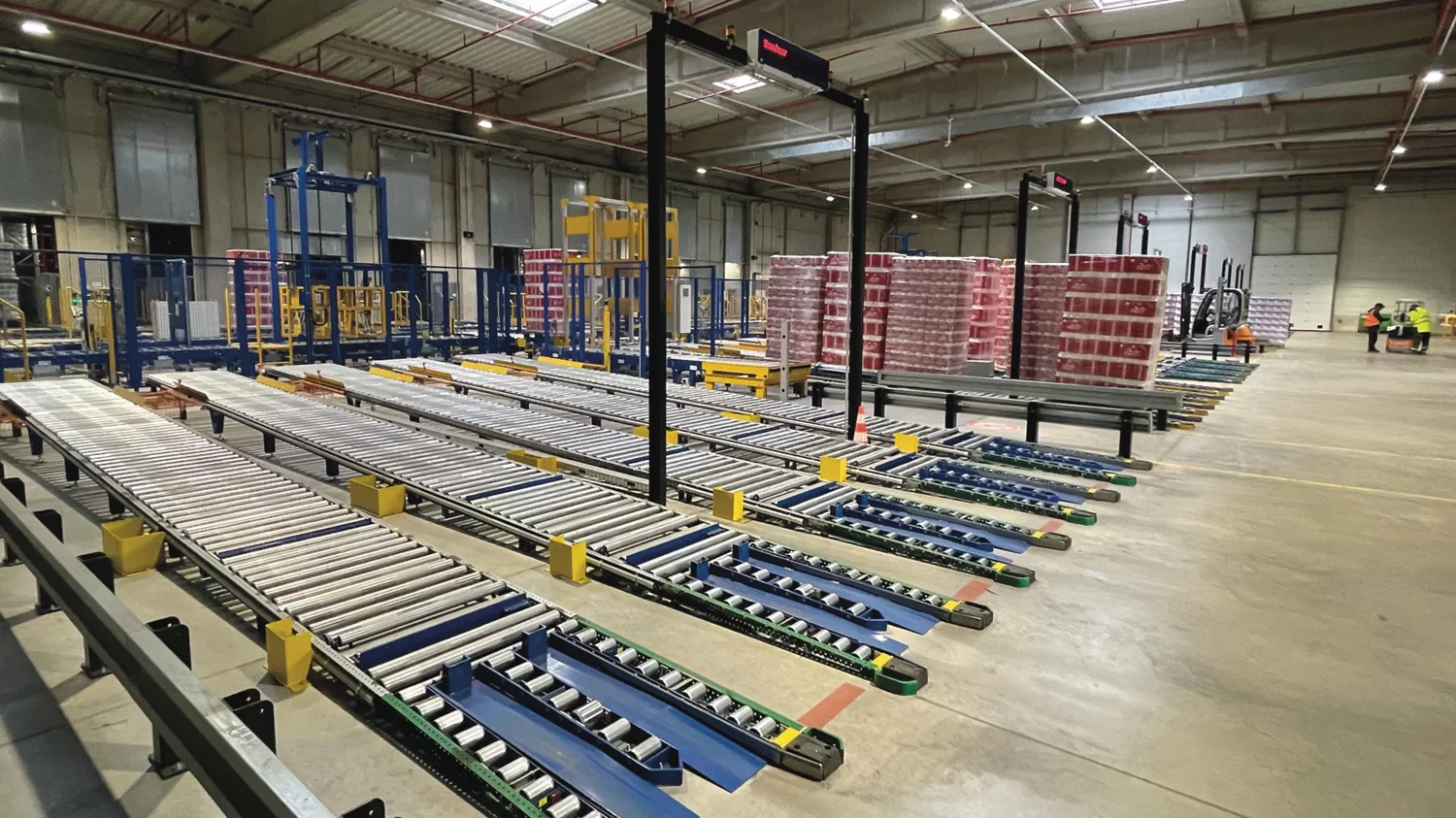
Intelligent logistics, interconnected control systems and autonomous material handling are no longer optional extras but central components of modern production.
At the same time, the path to automation looks quite different depending on whether an existing mill is being upgraded or a new facility is being developed.
“Understanding these differences is crucial for successful factory planning and long-term operational stability,” says Peter Oksakowski, Managing Director of BHM INGENIEURE. The engineering and consulting company, headquartered in Austria, has been supporting the paper industry for more than three decades and has been involved in the implementation of numerous large-scale projects worldwide.
Retrofitting automation in existing mills
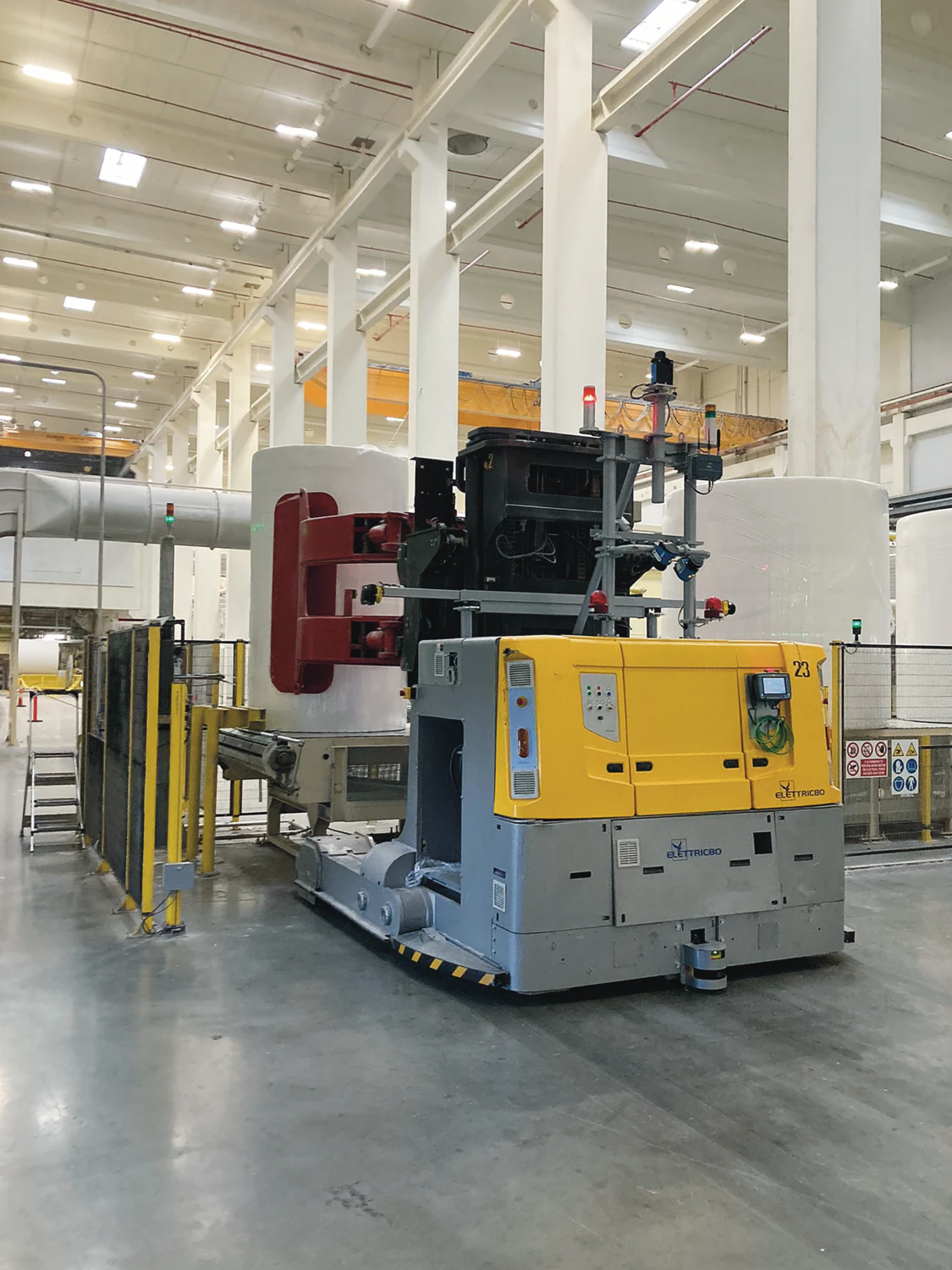
Integrating automation into existing production environments presents significant technical and structural challenges. Space is often limited, building structures may not have been designed for the loads imposed by automated systems and the production process must continue to run during modifications. “A structured pre-engineering study is therefore essential,” says Oksakowski.
Digital tools such as 3D laser scanning allow the creation of precise as-built models, providing a reliable foundation for the simulation of material flows and load scenarios. This helps identify bottlenecks in intralogistics, determine the feasibility of introducing automated guided vehicles or conveyor systems, and evaluate whether structural reinforcements or other modifications to the building or its structure are required. Without this assessment, investments in automation can easily fall short of expectations.
In existing facilities, site development is often as much about managing limitations as it is about exploiting opportunities.
Forward-thinking designs ensure that even within the constraints of existing, historically evolved plants, automation steps are integrated in a way that prepares the mill for future expansions and further technological upgrades.
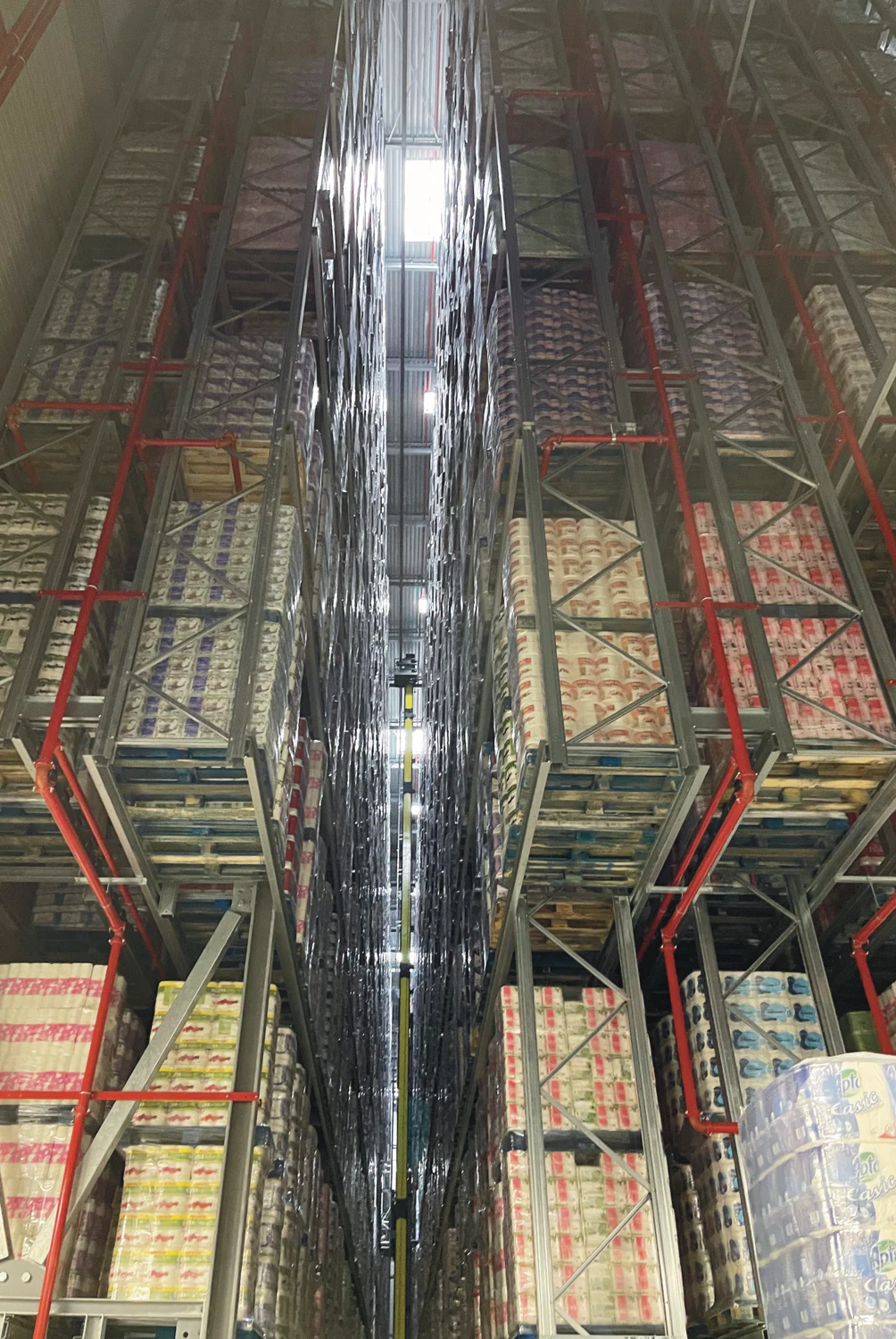
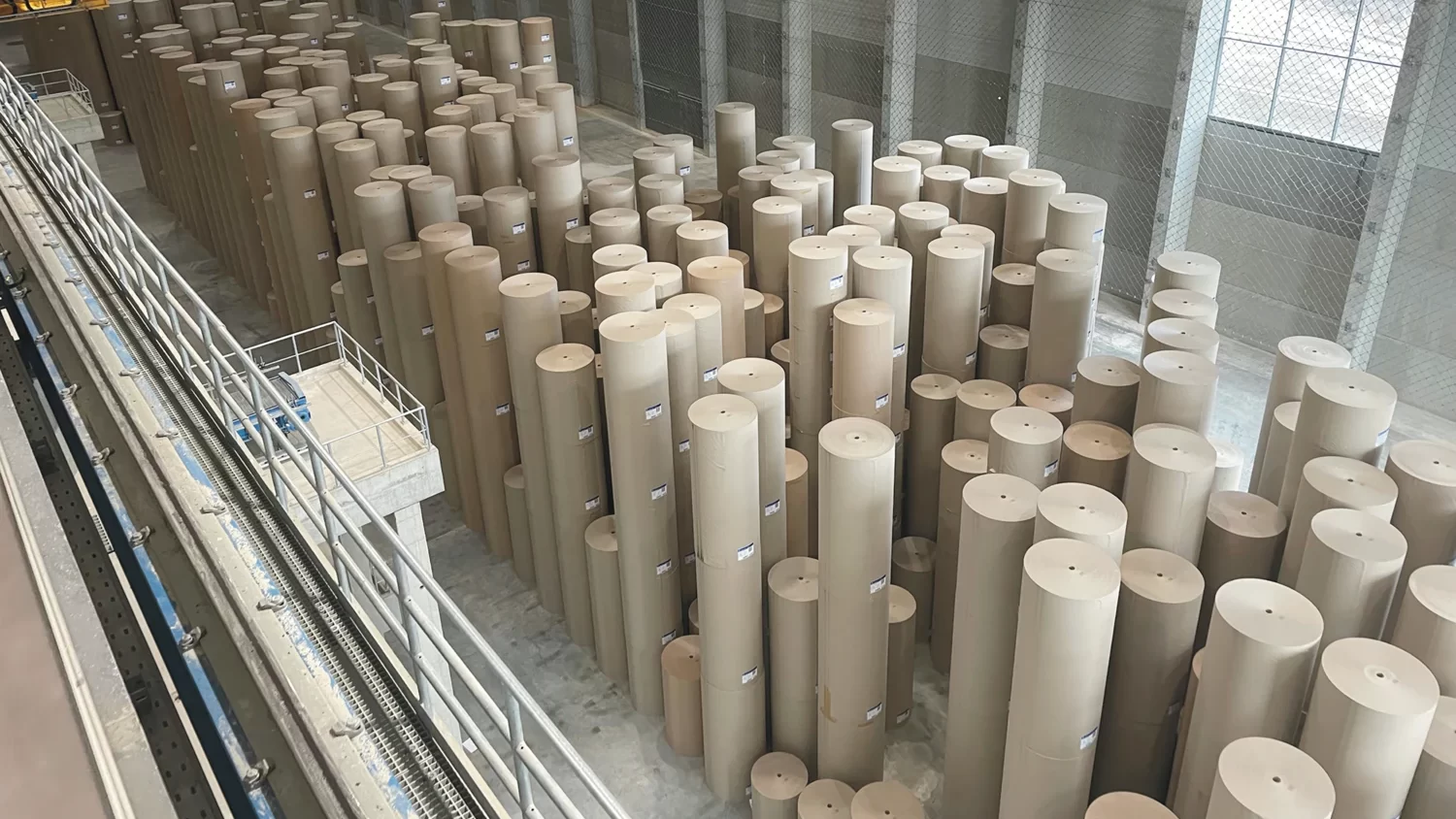
narrow-aisle stackers increase space efficiency.
New mills: automation right from the start
Greenfield projects offer the opportunity to embed automation concepts from the very beginning. Pre-engineering also plays a decisive role, but the focus shifts from identifying constraints to exploring possibilities. Layouts can be conceived to optimize transport routes, enable vertical space utilization, and integrate automated warehouses and shuttle systems. Digital twins based on Building Information Modeling (BIM) serve as a central tool for coordinating disciplines, testing scenarios and planning supply infrastructures.
Site development in a new mill sets the foundation for decades of operation. The decisions made during the early planning phase have far-reaching consequences. Flexible and modular building concepts allow the production facility to evolve alongside technological progress, avoiding costly interventions in the future. Automation thus becomes not only a tool for immediate efficiency but also a driver of resilience and adaptability.
Different challenges, common success factors
Although the conditions of retrofits and new builds differ, the underlying requirements for successful automation remain consistent. Both paths demand interdisciplinary cooperation between construction design, process engineering and intralogistics. Both depend on accurate data and careful pre-engineering to ensure that investments in automation achieve their intended effect.