
At its Papel Paracas facility in Callao, Peru, the company has become the first in the world to implement Valmet’s groundbreaking Warm‑up Next process – setting a new benchmark directly from one of the most demanding production environments, the desert.

This milestone builds on years of close collaboration between Papelera Reyes and Valmet. With four Valmet Perini Constellation® lines already performing at top levels, the company continues to demonstrate its commitment to advanced, reliable technologies that keep production strong, even under the harsh conditions of the Peruvian desert.
Sebastian Reyes, Operations Manager at Papelera Reyes, shares: “With the installation of the Valmet Warm‑up Next process, we take a natural step forward in the shared journey of innovation and growth we have built with Valmet.
This next‑generation hot embossing solution sets a new benchmark in the industry, allowing us to ensure consistently high product standards while adapting swiftly and effectively to the demands of a rapidly changing market. This achievement underscores our long‑term commitment to innovation, performance and uncompromising quality across all our operations.”
Technology designed for the realities of the region
For tissue producers across South America, efficiency, flexibility and sustainability are key. They often face a combination or challenges like fluctuating energy costs, climate driven operational complexity and pressure to deliver high quality tissue at competitive prices. Warm‑up Next is designed for this reality. It brings flexibility, savings and simplicity to the converting process.
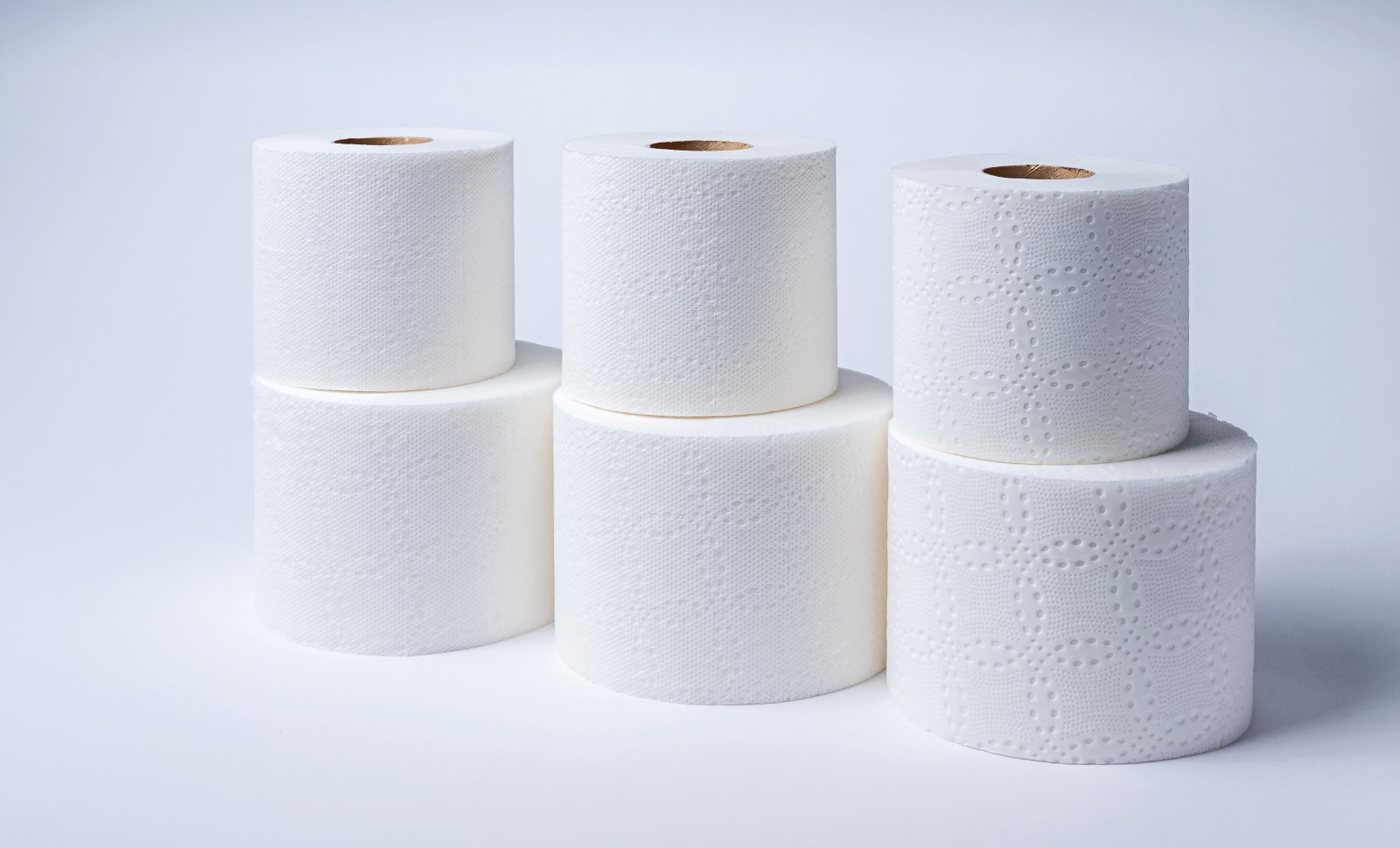
- Outstanding hot embossing results with zero water: In regions where water availability and humidity management is a daily concern, which is not just an advantage – it is a breakthrough, making it ideal for dry or water restricted regions.
- Improved product quality or fiber savings: The built-in flexibility can increase the caliper up to 50% with noticeably increased softness, absorbency, and strength. It can also reduce fiber consumption.
Energy savings and improved safety: Induction heating targets only the embossing roll tips, which can reduce energy consumption by up to 60%. Due to quick heating and cooling it is also safer to operate. - Seamless integration into existing lines: A single or double rubber-to-steel pre-embossing station fits into the current embossing unit with minimal layout changes. No long downtime, no structural modifications or specialist skills required.
- Safe, clean and fluid free operation: Hot embossing is operated without oils or pressurized water, it is a stable, predictable, and user-friendly system.
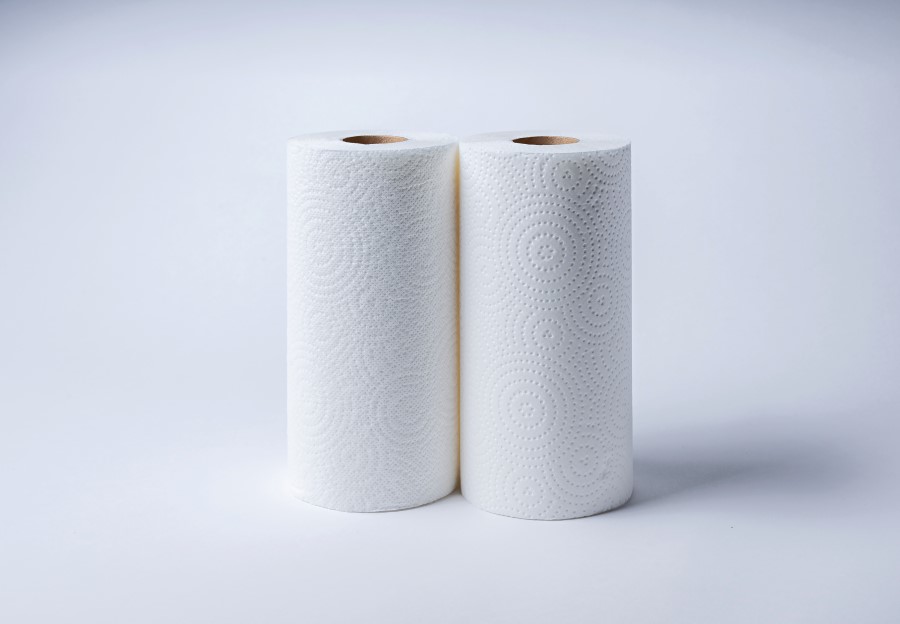
Next process.
Warm up Next from VALMET takes the benefits of Warm-up Contactless even further by adding advanced pre‑embossing capabilities.
Manufacturers gain the freedom to create richer, more sophisticated product designs, whether for hygienic tissue or kitchen towel – without complicated layout changes. With the option of a single or double rubber‑to‑steel pre‑embossing station, integration is smooth and straightforward.
Proven performance – even in desert conditions
Perhaps the strongest proof of the system’s capabilities is its performance at Papelera Reyes’ facility, achieving exceptional embossing quality without a single drop of water.
In an environment where every resource counts, Warm‑up Next shows what’s possible when innovation meets real‑world production needs. It is a practical, proven, and future‑oriented step forward for tissue producers who want more efficiency, more control and more possibility.